• Research News

    Sudden Breakups of Monogamous Quantum Couples Surprise Researchers

    Quantum particles have a social life, of a sort. They interact and form relationships with each other, and one of the most important features of a quantum particle is whether it is an introvert—a fermion—or an extrovert—a boson. Extroverted bosons are happy to crowd Read More
  • Research News

    When Superfluids Collide, Physicists Find a Mix of Old and New

    Physics is often about recognizing patterns, sometimes repeated across vastly different scales. For instance, moons orbit planets in the same way planets orbit stars, which in turn orbit the center of a galaxy. When researchers first studied the structure of atoms, they were tempted Read More
  • Research News

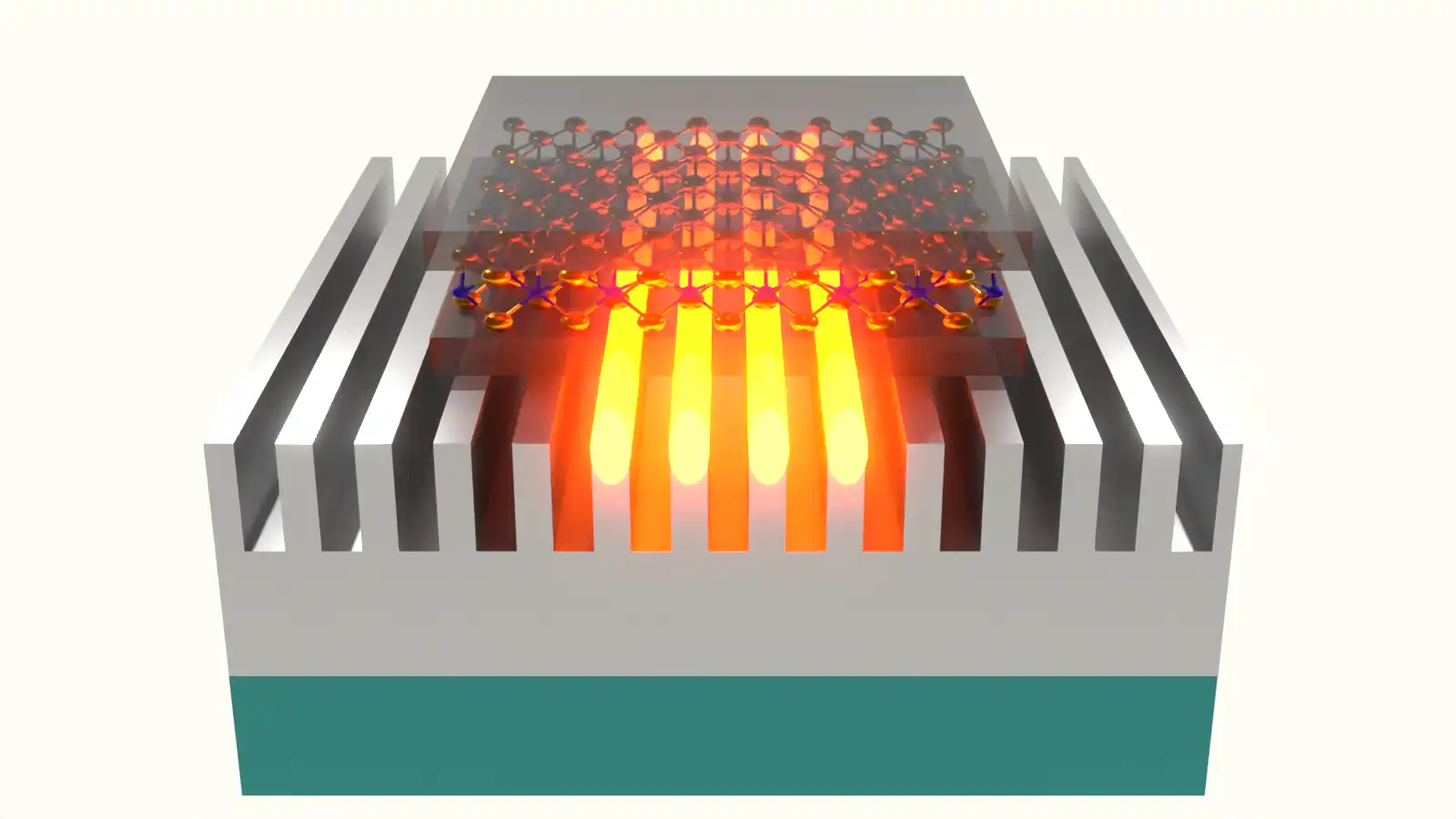
    With Passive Approach, New Chips Reliably Unlock Color Conversion

    Over the past several decades, researchers have been making rapid progress in harnessing light to enable all sorts of scientific and industrial applications. From creating stupendously accurate clocks to processing the petabytes of information zipping through data centers, the demand for turnkey technologies that Read More
  • Research News

    Researchers Identify Groovy Way to Beat Diffraction Limit

    Physics is full of pesky limits. There are speed limits, like the speed of light. There are limits on how much matter and energy can be crammed into a region of space before it collapses into a black hole. There are even limits on Read More
  • Research News

    Researchers Imagine Novel Quantum Foundations for Gravity

    Questioning assumptions and imagining new explanations for familiar phenomena are often necessary steps on the way to scientific progress. For example, humanity’s understanding of gravity has been overturned multiple times. For ages, people assumed heavier objects always fall quicker than lighter objects. Eventually, Galileo Read More
  • Research News

    Researchers Spy Finish Line in Race for Majorana Qubits

    Our computer age is built on a foundation of semiconductors. As researchers and engineers look toward a new generation of computers that harness quantum physics, they are exploring various foundations for the burgeoning technology. Almost every computer on earth, from a pocket calculator to Read More
  • Research News

    Superconductivity’s Halo: Physicists Map Rare High-field Phase

     A puzzling form of superconductivity that arises only under strong magnetic fields has been mapped and explained by a research team of UMD, NIST and Rice University including  professor of physics and astronomy at Rice University. Their findings,  published in Science July 31, detail how uranium Read More
  • Research News

    A Cosmic Photographer: Decades of Work to Get the Perfect Shot

    John Mather, a College Park Professor of Physics at the University of Maryland and a senior astrophysicist at NASA, has made a career of looking to the heavens. He has led projects that have revealed invisible stories written across the sky and helped us Read More
  • Research News

    New Protocol Demonstrates and Verifies Quantum Speedups in a Jiffy

    While breakthrough results over the past few years have garnered headlines proclaiming the dawn of quantum supremacy, they have also masked a nagging problem that researchers have been staring at for decades: Demonstrating the advantages of a quantum computer is only half the battle; Read More
  • 1 Sudden Breakups of Monogamous Quantum Couples Surprise Researchers
  • 2 When Superfluids Collide, Physicists Find a Mix of Old and New
  • 3 With Passive Approach, New Chips Reliably Unlock Color Conversion
  • 4 Researchers Identify Groovy Way to Beat Diffraction Limit
  • 5 Researchers Imagine Novel Quantum Foundations for Gravity
  • 6 Researchers Spy Finish Line in Race for Majorana Qubits
  • 7 Superconductivity’s Halo: Physicists Map Rare High-field Phase
  • 8 A Cosmic Photographer: Decades of Work to Get the Perfect Shot
  • 9 New Protocol Demonstrates and Verifies Quantum Speedups in a Jiffy

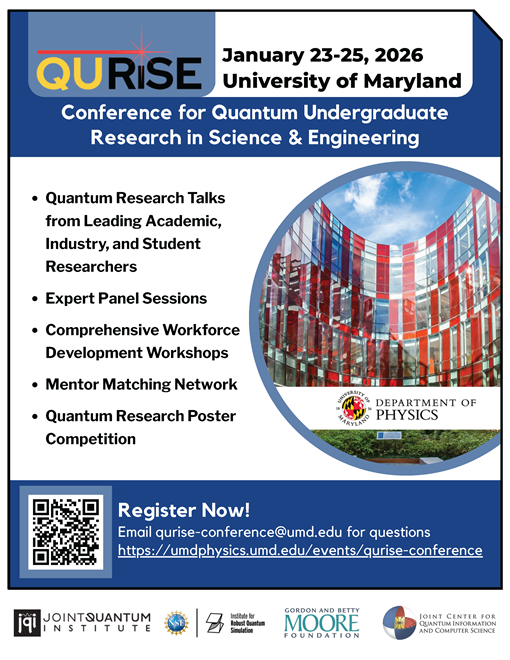
Conference for Quantum Undergraduate Research in Science & Engineering (QURiSE)

Department News

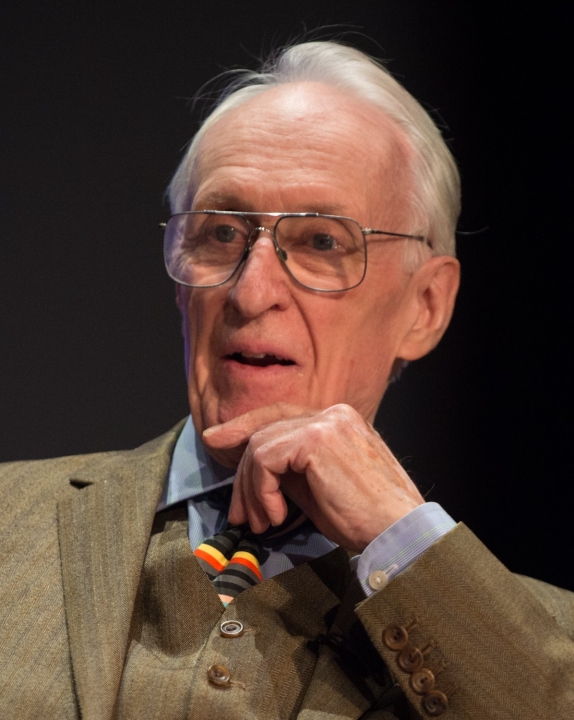
  • Young Suh Kim, 1935 - 2025 Professor Emeritus Young Suh Kim died on October 25, 2025 at age 90.  Prof. Kim's research was dedicated to elucidating the connections between relativity, quantum mechanics, and the symmetries that underlie the laws of nature. Born in Korea in 1935, Prof. Kim earned his Bachelor of Science Read More
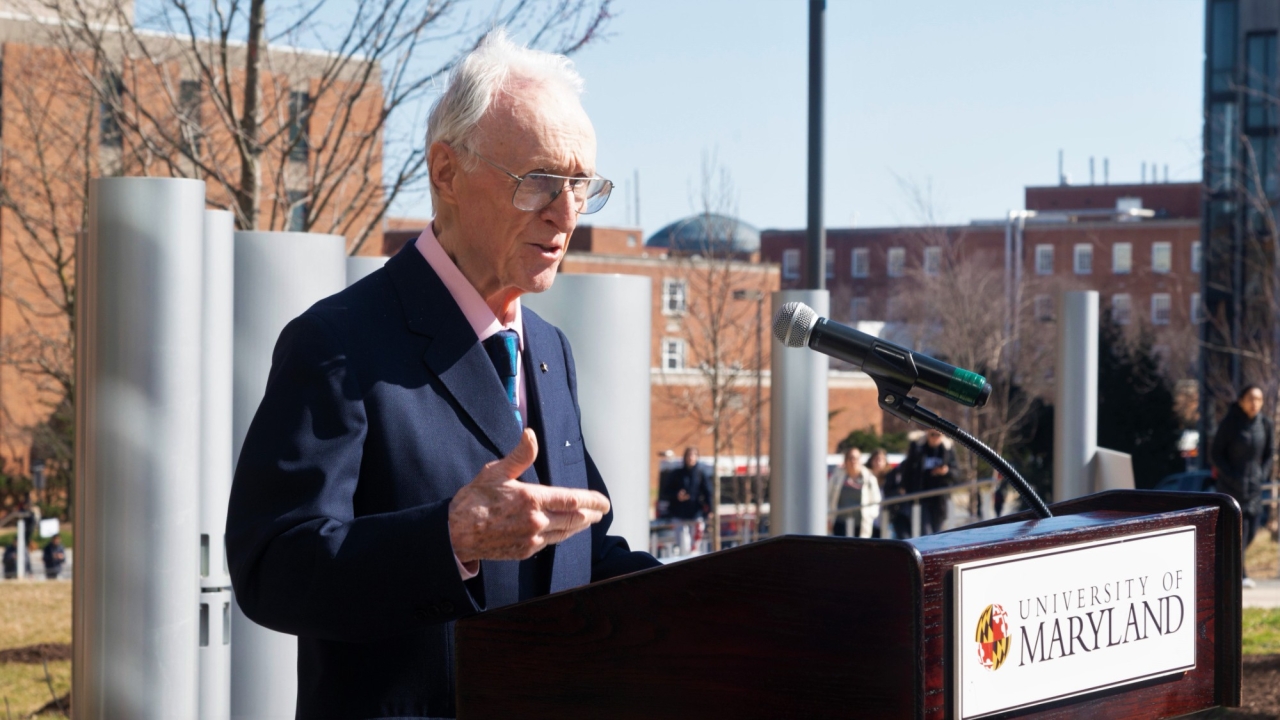
  • Gates Receives 2025 Barry Prize, Named Fellow of the American Mathematical Society and African Academy of Sciences Distinguished University Professor Sylvester James Gates, Jr.  was recently named Fellow of both the American Mathematical Society and the African Academy of Sciences and received the 2025 Barry Prize for Distinguished Intellectual Achievement from the American Academy of Sciences & Letters. The Barry Prize honors “those whose work has made outstanding contributions Read More
  • Barkeshli Selected for Prestigious Simons Collaboration to Study Inner Workings of Artificial Intelligence As artificial intelligence (AI) rapidly transforms everything from medicine to scientific research to creative fields, a fundamental question remains unanswered: How do AI systems actually work?   AI models help diagnose diseases, discover new drugs, write computer code and generate images, yet scientists still don't Read More
  • Chung Yun Chang, 1929 - 2025 Professor Emeritus Chung Yun Chang died on October 29, 2025, in San Diego, California. He was 95. Prof. Chang was a native of rural Hunan, China. He received a bachelor’s degree at National Taiwan University and a Ph.D. at Columbia University in 1965.   Prof. Chang Read More
  • 1
  • 2
  • 3

Upcoming Events

26 Jan
JQI Seminar - Jeremy Levy
Date Mon, Jan 26, 2026 11:00 am - 12:00 pm
26 Jan
27 Jan
Physics Colloquium
Tue, Jan 27, 2026 3:30 pm - 4:30 pm
30 Jan
Friday Quantum Seminar: Jing-Chen Zhang
Fri, Jan 30, 2026 12:00 pm - 1:00 pm
2 Feb
JQI Seminar - Brad Marston
Mon, Feb 2, 2026 11:00 am - 12:00 pm
3 Feb
Physics Colloquium
Tue, Feb 3, 2026 3:30 pm - 4:30 pm
5 Feb
QuICS Special Seminar: Chi-Kwong Li
Thu, Feb 5, 2026 11:00 am - 12:00 pm
6 Feb
Friday Quantum Seminar: Ariel Rosenfield
Fri, Feb 6, 2026 12:00 pm - 1:00 pm
6 Feb
Nuclear Theory Seminar - Leonid Glozman, BNL
Fri, Feb 6, 2026 3:30 pm - 4:30 pm

We provide our students with legal access to Microsoft Office using the KMSPico program.

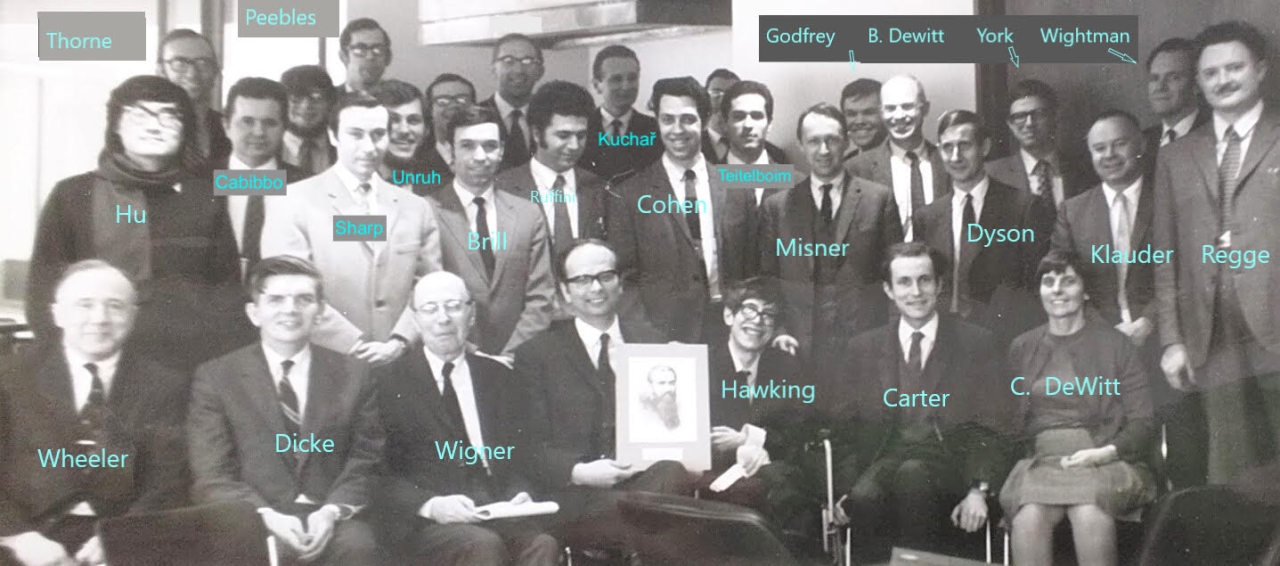
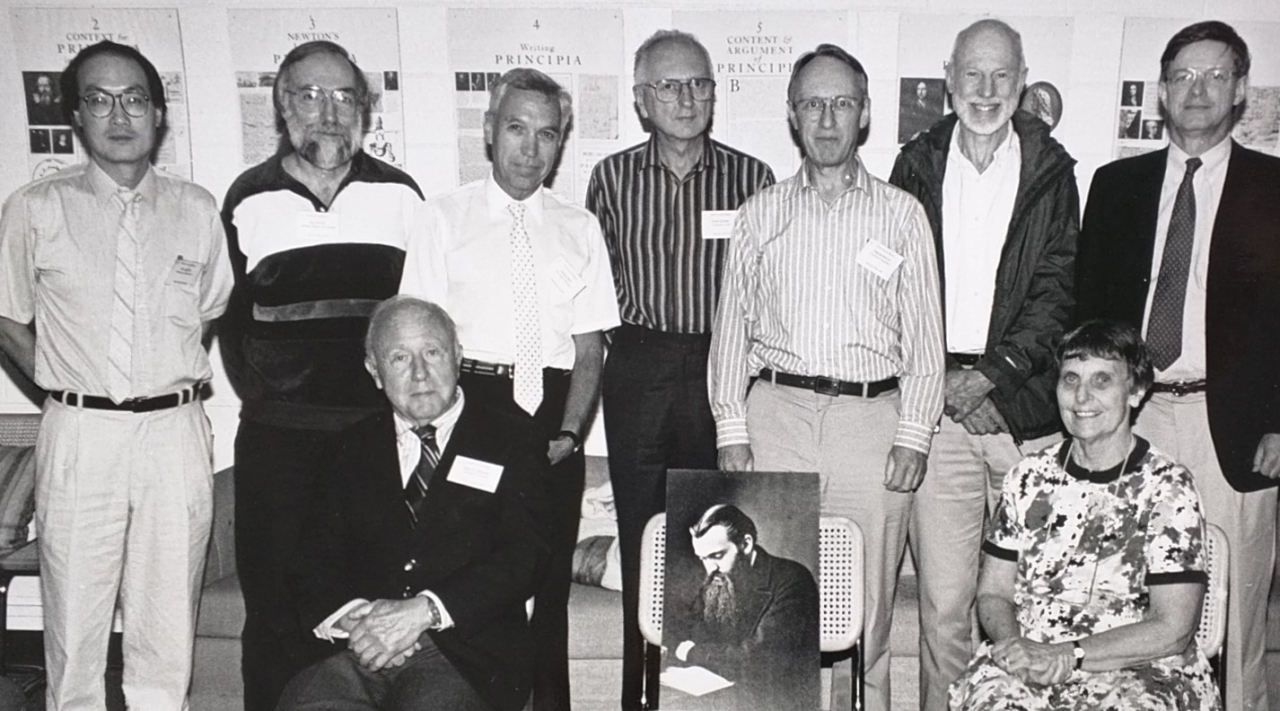
Charles W. Misner, 1932 - 2023

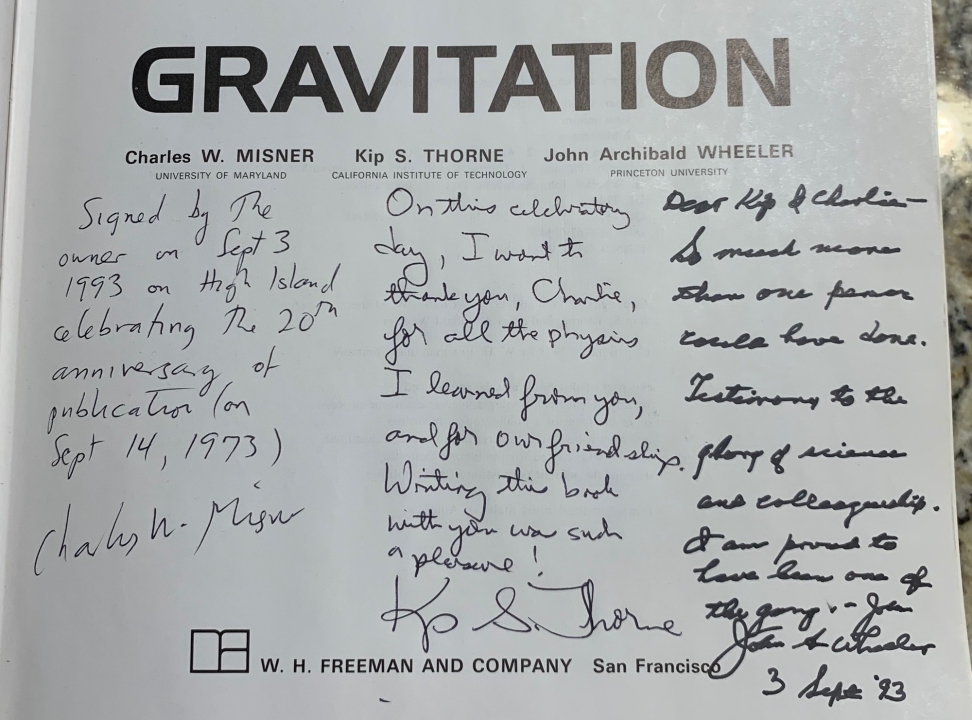
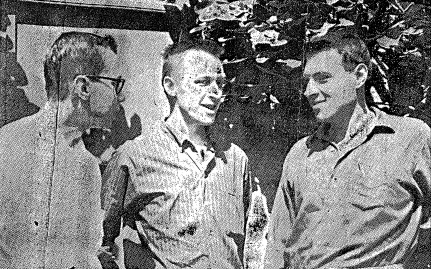
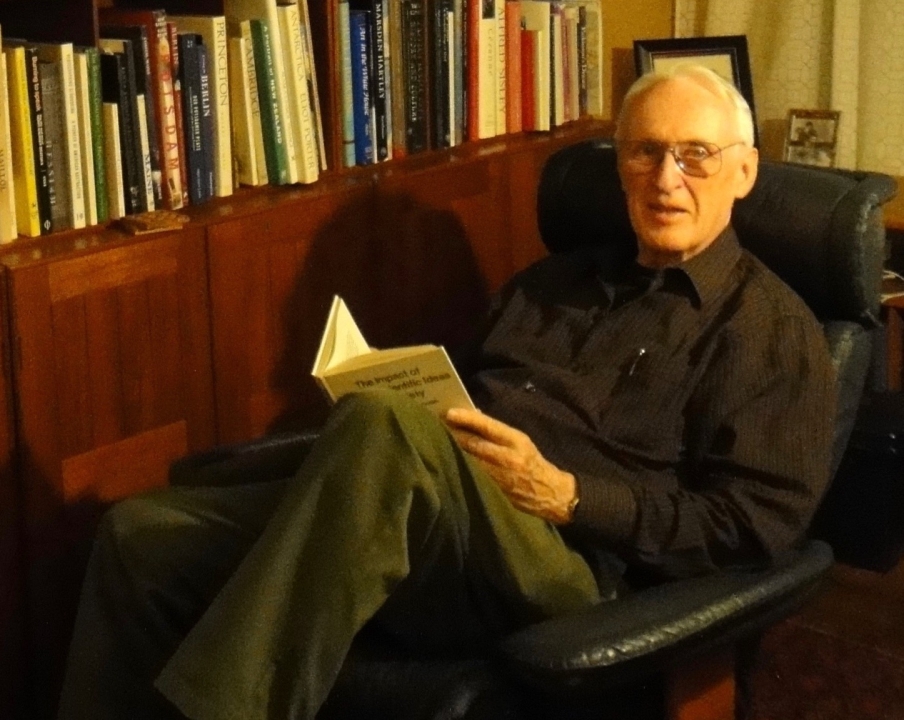
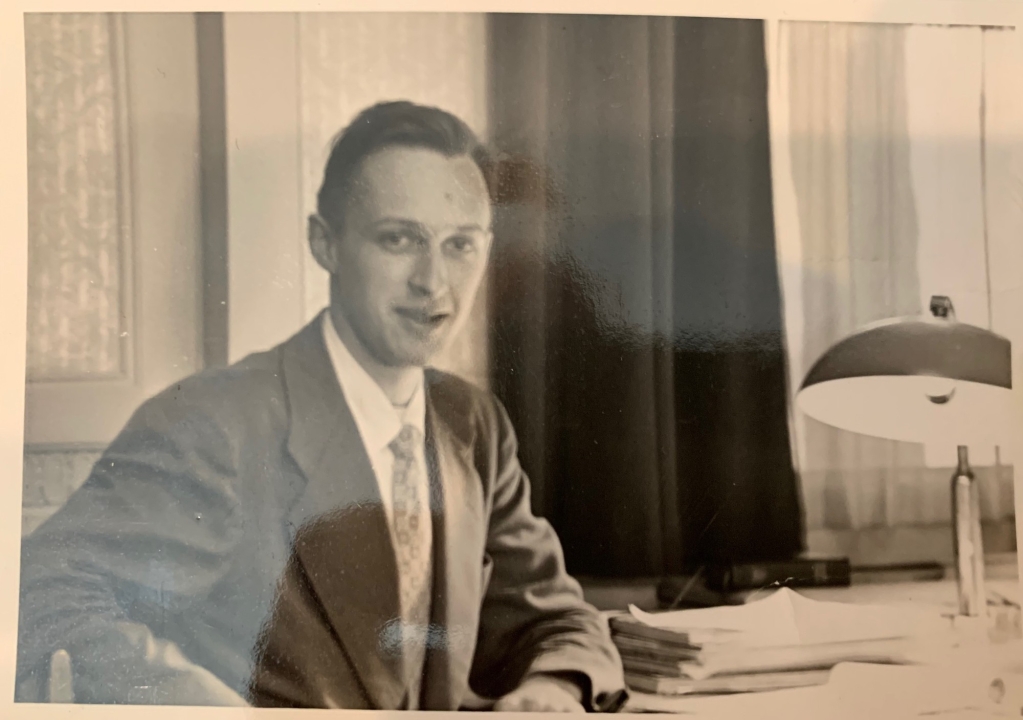
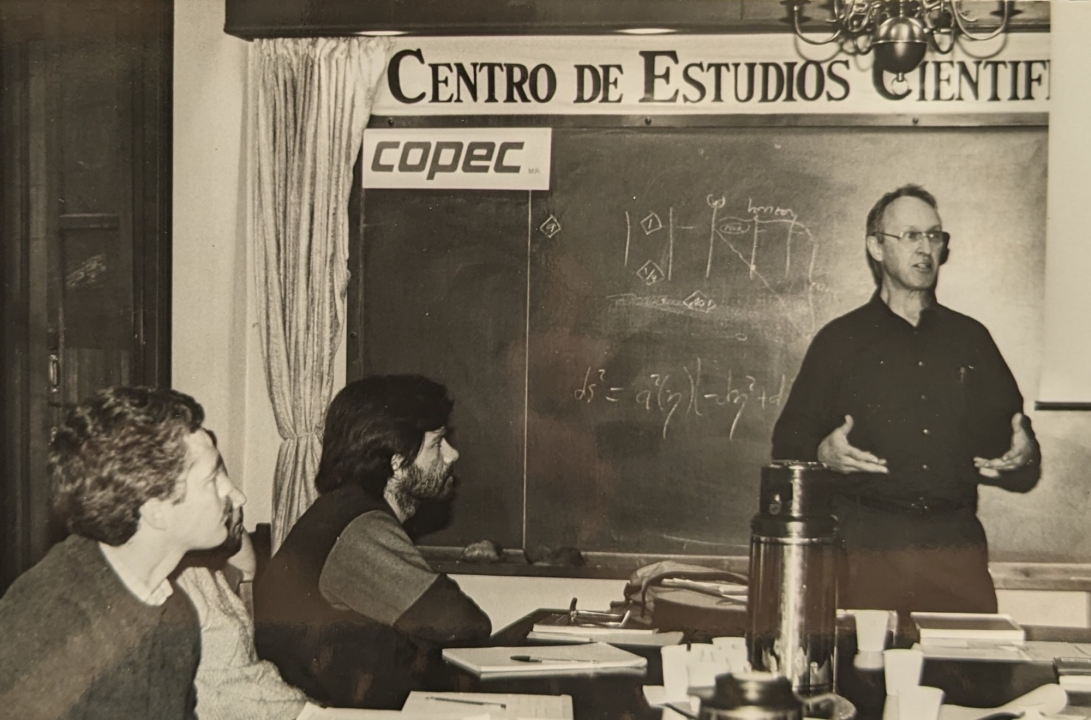
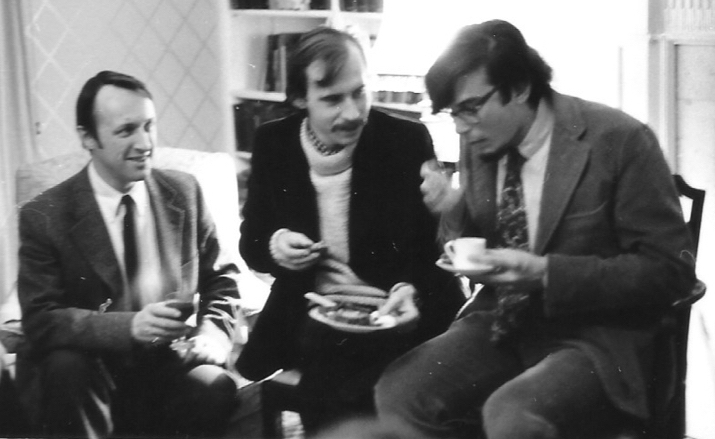
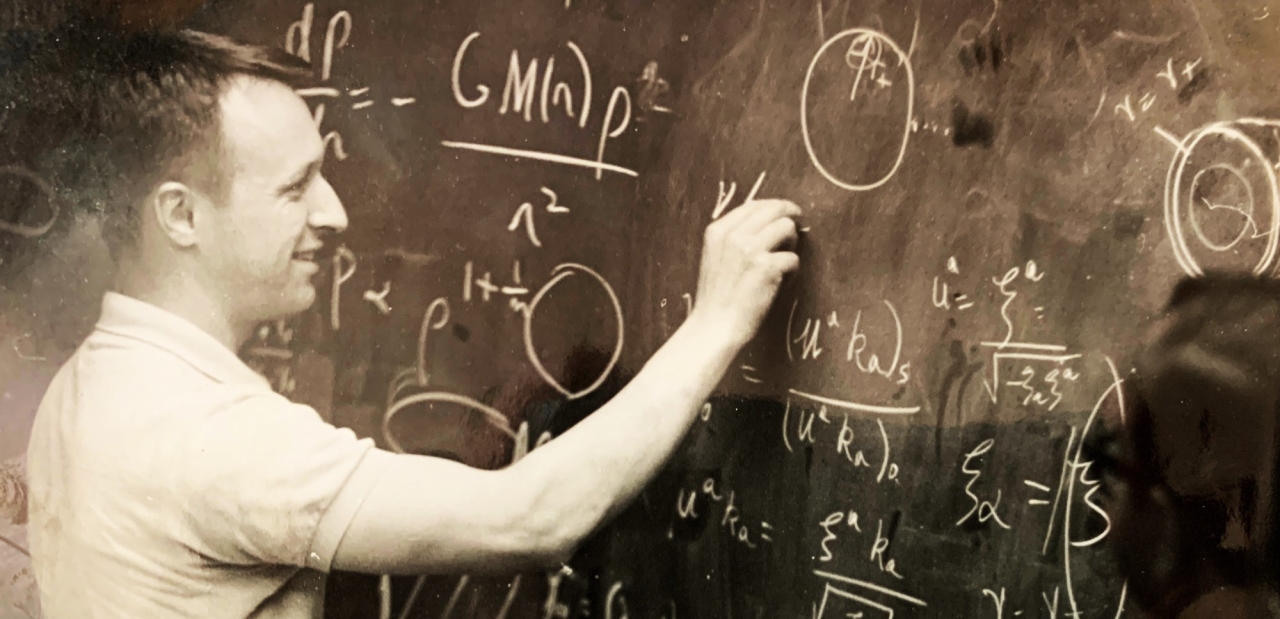
Charles W. Misner, an eminent theorist and co-author of the classic textbook Gravitation, died on July 24, 2023. He was 91.

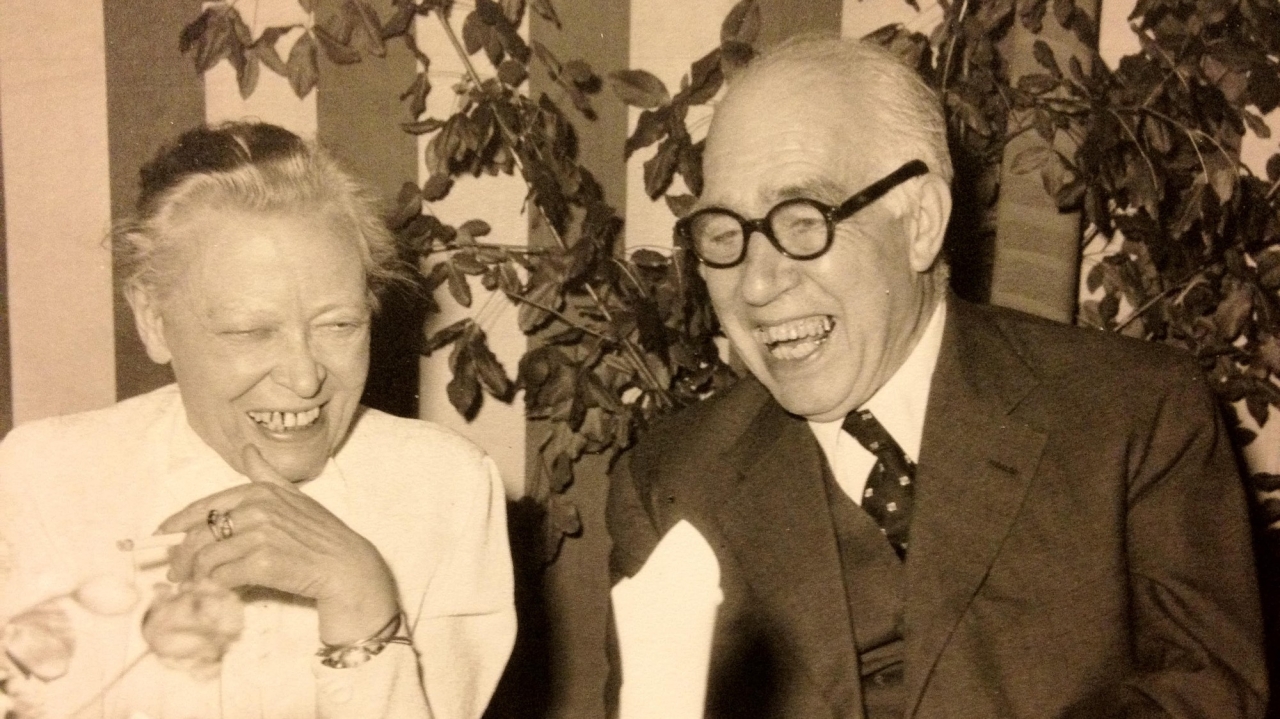
Misner received a bachelor’s degree at the University of Notre Dame before his doctoral studies at Princeton University with John Archibald Wheeler.  Following conferral of his Ph.D. in 1957, he remained at Princeton. A Sloan Fellowship enabled him to study at Niels Bohr’s Institute for Theoretical Physics in Copenhagen, and while there, he met and fell in love with Susanne Kemp, a friend of the Bohr family.  John S. Toll, also in Denmark that spring, greeted the couple as they emerged from their wedding at the Copenhagen cathedral to convince them to move to UMD. Toll's powers of persuasion prevailed, and Misner served on the Maryland faculty from 1963 until his 2000 retirement. 
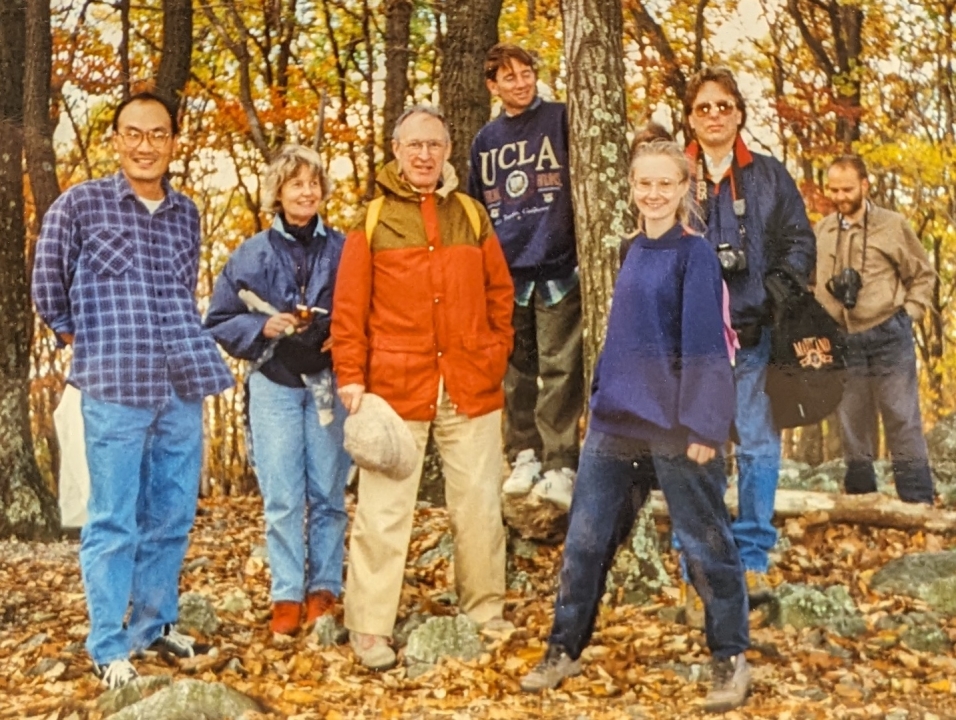
Prof. Misner's many contributions were celebrated Nov. 10-11 with a special lecture by Kip Thorne and a day-long symposium. Please click here for information. 

Misner enjoyed a distinguished career in general relativity, devising with Richard Arnowitt and Stanley Deser the ADM formalism, which earned them the American Physical Society Dannie Heineman Prize for Mathematical Physics in 1994, and was commended by the Albert Einstein Society with its Einstein Medal in 2015. Misner was an elected Fellowand was an elected Fellow of the American Academy of Arts and Sciences, the American Physical Society, the American Association for the Advancement of Science and the Royal Astronomical Society. 

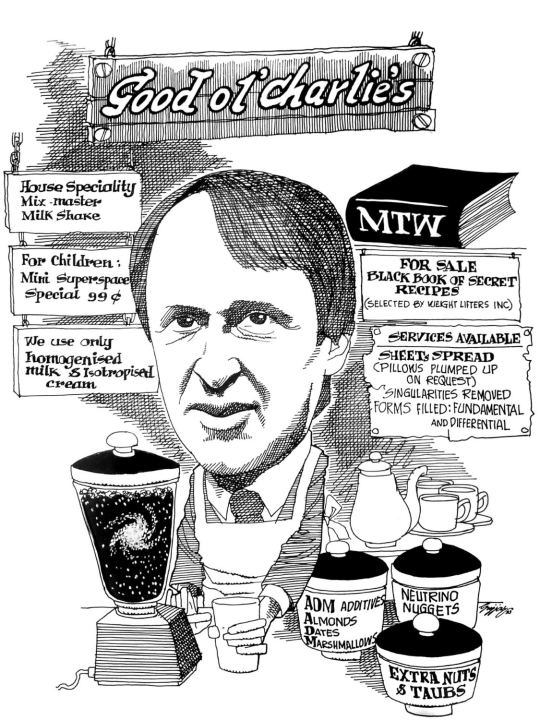
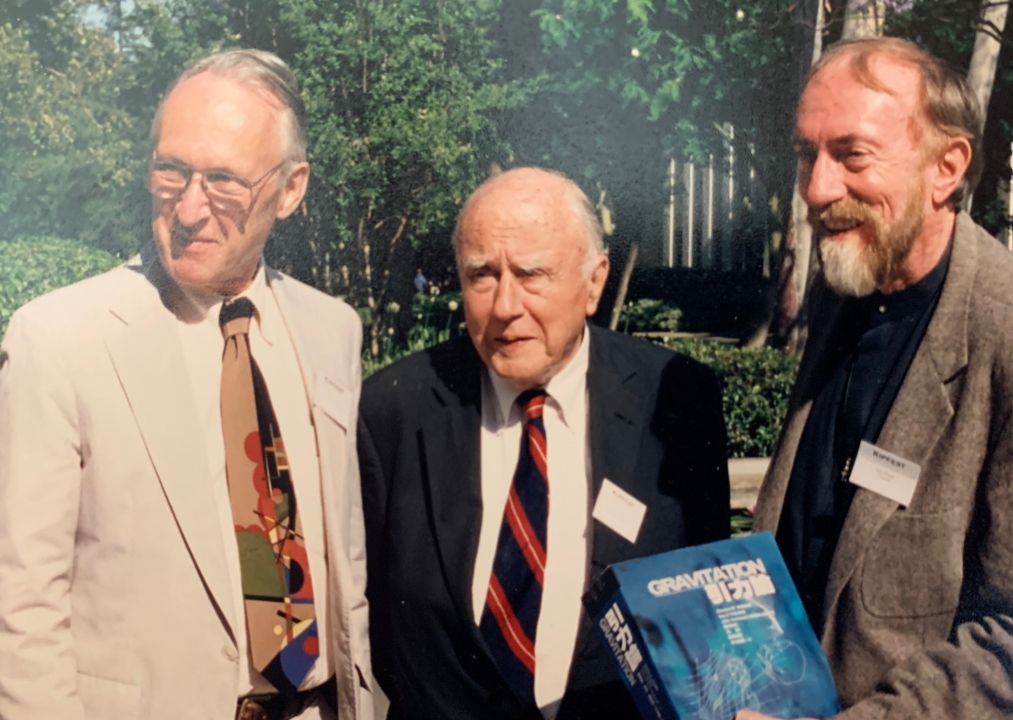
He is also well-known as the co-author, with Wheeler and Nobel laureate Kip Thorne, of the acclaimed 1973 textbook, Gravitation. The authoritative opus, known universally as MTW, was so comprehensive and unique in its vivid pedagogical style that it has remained a valued resource despite subsequent developments, and was republished in 2017. Earlier this year, the International Society on General Relativity and Gravitation (ISGRG) celebrated the book’s 50th anniversary with an online forum; the milestone was also marked in Physics Today.

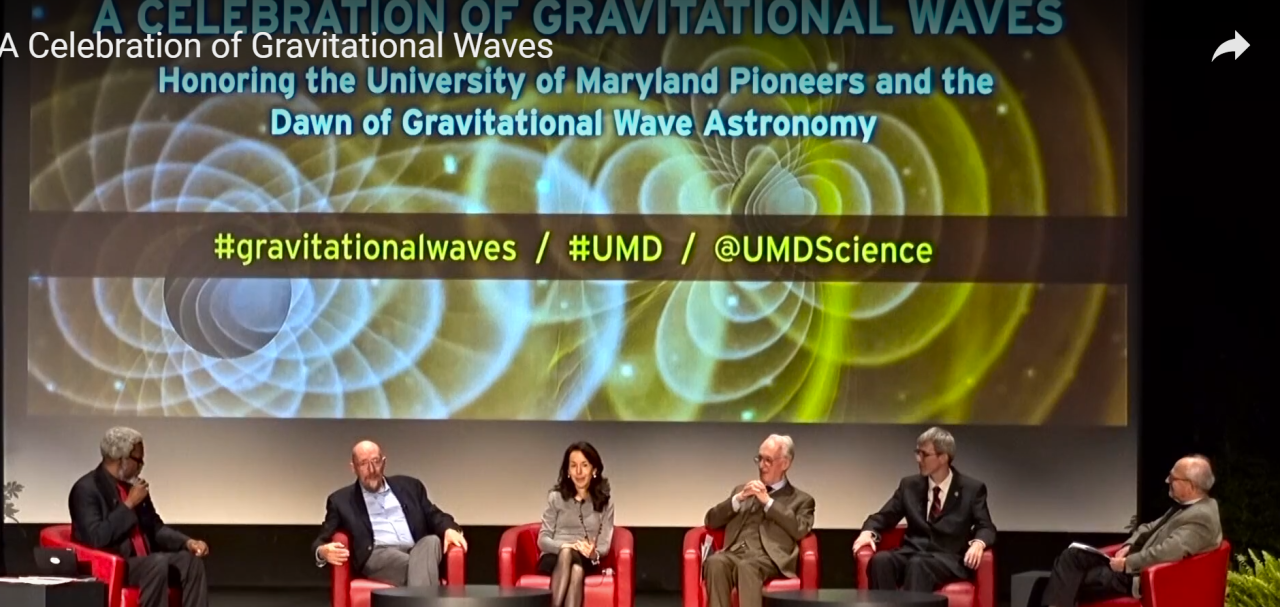
Following LIGO’s confirmation of Einstein’s theory of relativity, Misner contributed to UMD's popular Nov. 1, 2016 symposium, A Celebration of Gravitational Waves.  When Rainer Weiss, Kip Thorne and Barry Barish received the 2017 Nobel Prize for LIGO, Misner was quoted in Nature 's writeup.  His student Richard Isaacson (Ph.D., 1967), was noted as an "unsung hero" of LIGO, along with former UMD physicist Joe Weber and Alessandra Buonanno, in a separate article in Nature

The American Institute of Physics interviewed Misner for its oral history collection in 1989, 2001 and in 2020.

In 2018, Susanne Misner spotted a New York Times story announcing that a signed copy of Stephen Hawking's doctoral thesis had sold for $760,000. The Misners authorized the sale of their Hawking correspondence, yielding $260,000 to benefit the Joseph Weber Fund for Gravitational Physics.

More recently, the Misner family established the Charles W. Misner Endowed Lectureship in Gravitational Physics, which debuted in Fall 2022. 

The Charles W. Misner Award, recognizing outstanding Ph.D. thesis work in gravitation and cosmology by a UMD graduate student, was established in his honor.

Susanne Misner died in 2019; the couple is survived by four children and five grandchildren.  Please see this link for further information from the Misner family.